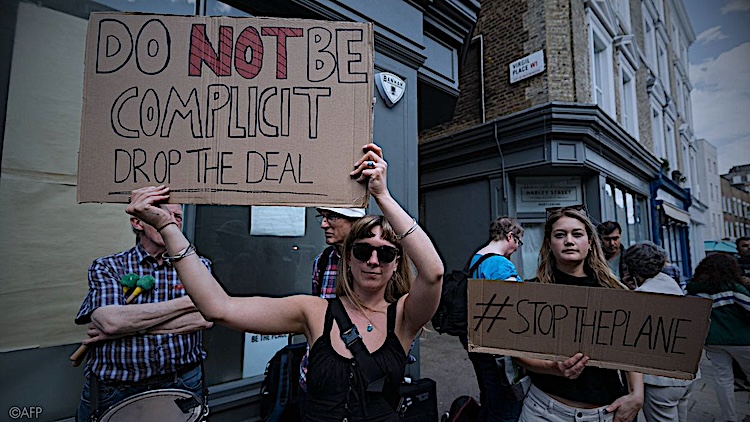
By Thalif Deen UNITED NATIONS | 30 April 2024 (IDN) — A highly contentious piece of legislation, forcing migrants and asylum seekers arriving in Britain, to be deported to Rwanda, has come under heavy fire. The bill, described as the British Conservative Party’s flagship immigration policy, was adopted April 22, despite strong opposition from the […]

A Nuclear Deal with Iran Is Essential to Duck a Nuclear Holocaust
By Jonathan Power* LUND, Sweden | 30 April 2024 (IDN) — Rightly the debate over a way to end the Iranian (nuclear?) bomb crisis remains one of the prime issues in Western foreign policy. Compared with that the partial war in Ukraine seems to be almost trivial. Likewise, Israel versus Hamas, the de facto rulers […]
South Africans Mark ‘Freedom Day’ Recalling ANC Victory 30 Years Ago
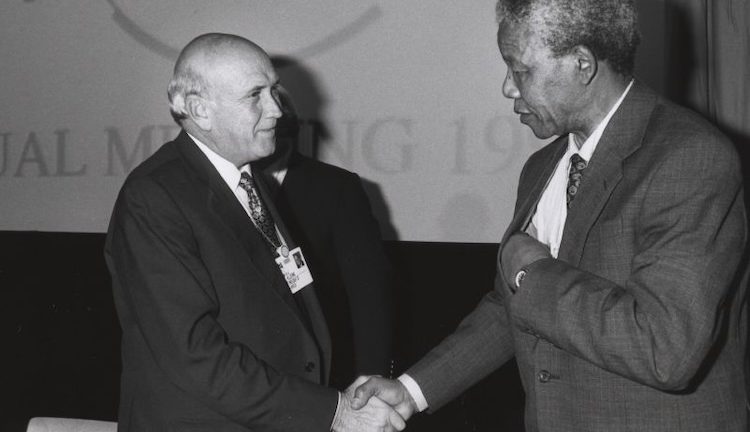
By Lisa Vives, Global Information Network NEW YORK | 29 April 2024 (IDN) — South Africans marked on 27 April the 30th anniversary of a momentous vote, when millions of Black South Africans, young and old, brought apartheid to a close. It was the first all-race election, and the previously banned African National Congress won […]
More U.S. Troops Leaving African Bases
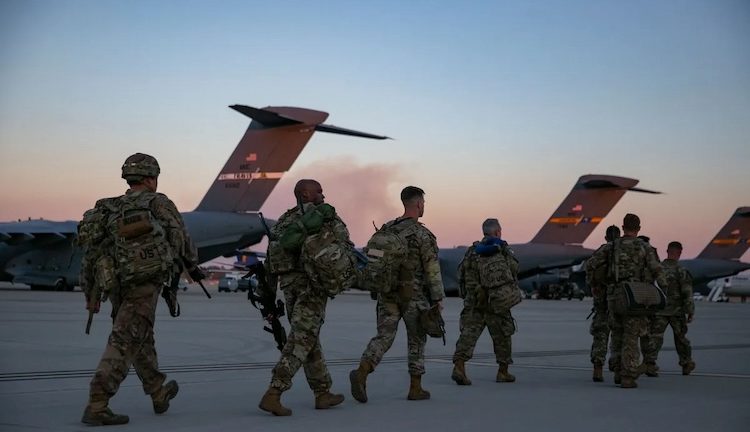
By Lisa Vives, Global Information Network NEW YORK | 29 April 2024 (IDN) — Another group of American military personnel has been ordered to pack up and withdraw from an African base in the Central African nation of Chad, three senior U.S. officials said this week. It comes amid a broader, involuntary reconfiguration of Washington’s […]
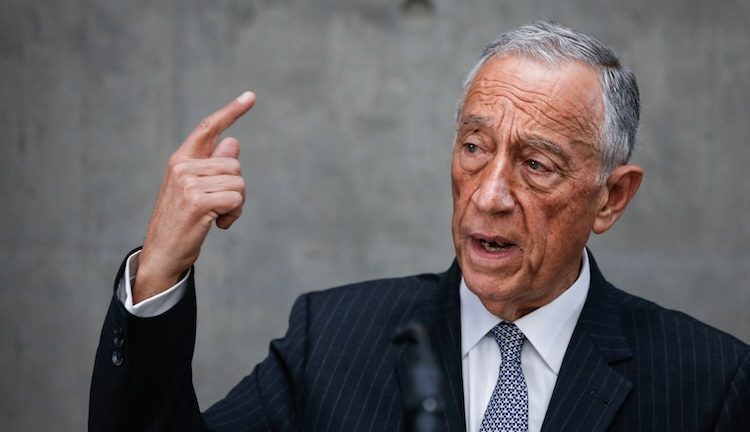
Colonial Era Crimes: Call for Reparations at a UN Conference
By Lisa Vives, Global Information Network NEW YORK | 29 April 2024 (IDN) — At the “Second International Decade for People of African Descent: Addressing Systemic Racism, Reparatory Justice and Sustainable Development“, a European leader spoke out in support of reparations, saying that his country, Portugal, needed to pay the costs for slavery and colonialism. […]
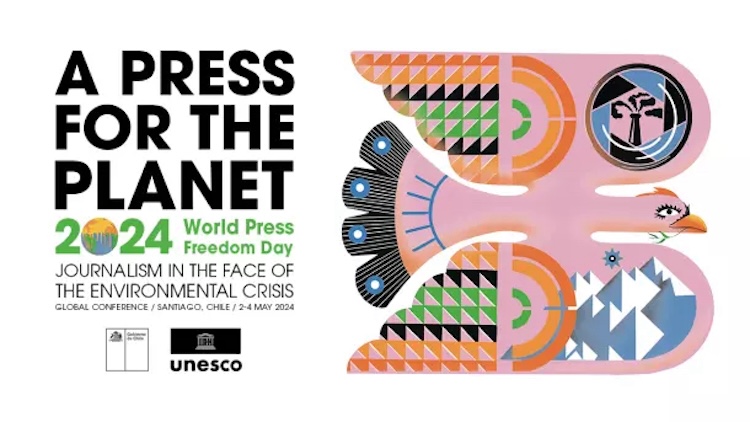
A Press for The Planet: Journalism in The Face of The Environmental Crisis
By Jaya Ramachandran PARIS | 28 April 2024 (IDN) — Chile and UNESCO will host World Press Freedom Day between 2-4 May 2024. Thirty years have passed since the first World Press Freedom Day celebration in 1994 and the historic Santiago Declaration adopted during the “Seminar on the Development of Media and Democracy in Latin […]

2024 US Elections: A Peace Candidate Is Pitted Against Two Warmongers
By Jeffrey D. Sachs* This article was published in Other News and is being republished with the author’s permission. NEW YORK | 28 April 2024 (IDN) — The Democrats and the Republicans are outdoing each other to prove who can get us to World War III fastest. Joe Biden and the Congressional Democrats are making […]
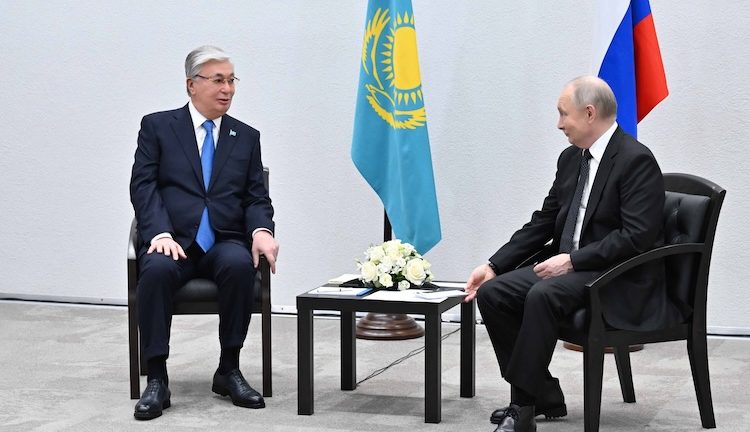
Kazakhstan: A Peacemaker in the Ukraine War?
By Alexandra Sitenko* BERLIN | 27 April 2024 (IDN) — The war in Ukraine has presented countries that have close political, economic and historical ties with Russia with a difficult task: On the one hand, they cannot sever their relations with Moscow; on the other, they do not want to fall out of favour internationally. […]
Interfaith Organisations Urge Tripling the Size of Funds for Low-Income Countries
By Devendra Kamarajan NAIROBI | 27 April 2024 (IDN) — People living in Sub-Saharan Africa have high aspirations for themselves, their families, and the next generations. At the International Development Association (IDA) for Africa Heads of State Summit on 29 April, African governments, civil society, and youth will take the stage to voice their ambitions […]
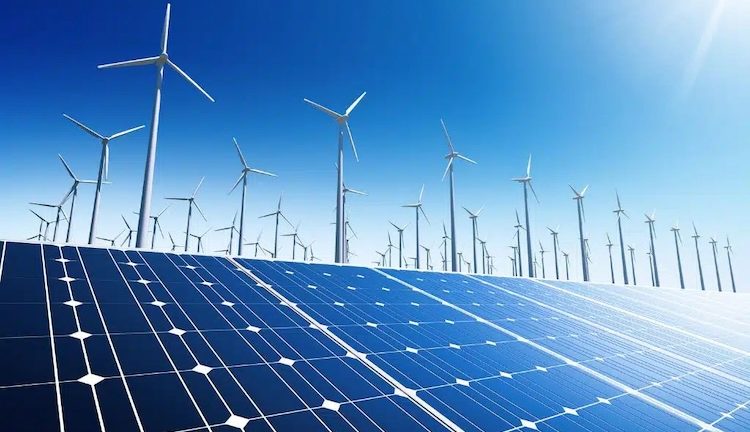
Global Energy Transformation Brings Opportunities and Risks for Developing Countries
By Aar Jay BERLIN | GENEVA (IDN) — As the climate emergency intensifies, demand is rising for minerals that are critical for renewable energy technologies like solar panels, wind turbines and electric vehicles (EVs). Many developing countries have a wealth of these minerals but lack the processing capabilities needed to add value. The UN Trade […]