
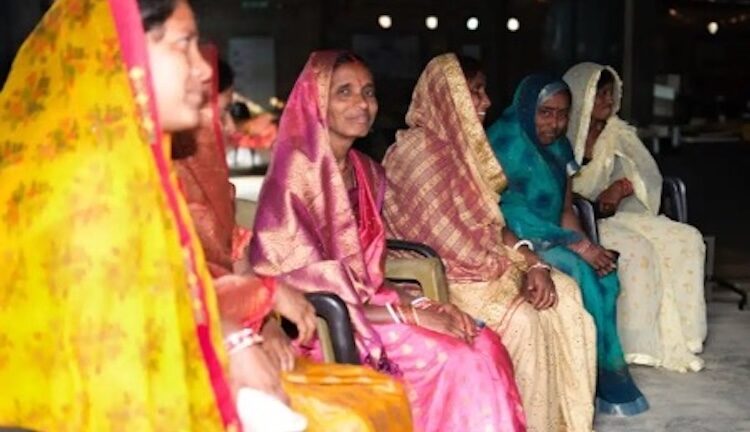
The future of food systems should be shaped with the people whose lives depend on them.
By Neena Joshi*
KATHMANDU, Nepal | 23 November 2026 (IDN) — Tara Devi, a smallholder farmer from Muzaffarpur, Bihar, India, understands what it takes to make a farming household more resilient. As a Community Agro-Vet Entrepreneur (CAVE), she provides livestock health services and advice to 700–800 families in her community. Her work connects smallholder farmers with the knowledge and services they need to protect their livestock, improve productivity and strengthen their livelihoods.
But Tara’s experience also raises a bigger question about the future of food systems. Who gets to shape the solutions designed to transform them?
The development community has become increasingly sophisticated at designing solutions for a more resilient and sustainable food system. Blended finance, catalytic capital, climate finance, technology, regenerative agriculture and new investment models are giving us powerful tools to address complex challenges. Yet, for all our sophistication, we still too often design for communities rather than with them.
The problem is not a lack of local expertise. It is that we have become too accustomed to recognising expertise when it comes from people holding the pen, the purse or the podium. We value financial models, technical credentials and institutional authority.
Too often, we overlook the expertise of the people who produce our food, navigate local markets and live with the consequences of choices they did not make. Their knowledge has nurtured both people and planet.
The knowledge behind the numbers
Asia and the Pacific accounts for 47 per cent of the world’s disaster-related agricultural losses, leaving farmers to deal with climate shocks, volatile markets and rising input costs. The pressure to find new ways to finance solutions for a more resilient food system is growing.
But before asking which financial instruments and solutions are needed, we should ask a more fundamental question. Have we listened to the people who will have to make these solutions work?
Women farmers hold knowledge that rarely appears in investment models. They know which crops withstand local conditions, which livestock practices work, which markets are reliable and which financial products they can realistically repay. They also know which interventions fit around unpaid care and household responsibilities, obligations that cannot simply be set aside.
That knowledge provides evidence essential to the design of effective systems. Tara Devi’s experience shows what can happen when women have greater agency and access to finance. A member of a self-help group and shareholder in a women-led Farmer Producer Company in Bihar, she has built a locally rooted enterprise as a CAVE. Her services include vaccination, castration, livestock management, nutrition and advice on goat rearing.
Access to finance has also helped her diversify her livelihood by investing in goat rearing and an animal feed business. Her income supports her children’s education. Her work also gives other farmers access to services that can improve livestock health, productivity and sustainability.
What access to finance can change
Tara’s experience shows how capital can have a broader impact when it reaches local entrepreneurs deeply connected to their communities. Tara also describes a shift in how she sees her own role.
“I used to think that a woman’s place was limited to household chores. Now I step outside my home, meet other farmers, treat livestock, provide livestock-related advice and work to find solutions to their problems and realise how this has supported hundreds of other families.”
That shift, from being spoken about to being listened to, is central to what inclusive development should mean. For development finance, this has practical implications.
First, farmers need a voice in designing financial products and programmes, with involvement beginning before the design is complete. What looks innovative to an investor may be inaccessible, too costly or poorly timed for a smallholder farmer.
Second, capital should recognise the full economic role of local actors. Farmers like Tara are producers, entrepreneurs, service providers and decision-makers. Investing in their enterprises can strengthen the wider economy around them.
Third, participation must influence funding and programme decisions. Inviting a farmer to speak at a conference is meaningful. Her experience should help shape what gets funded, how programmes are designed and how success is measured.
A voice in investment decisions
This matters even more as the development sector faces declining resources and growing demands for evidence, efficiency and impact. When capital is scarce, we need better information about what works on the ground to test our theories about what should work.
Tara’s presence at a global investment and development conference offered a simple reminder. The expertise needed to solve food-system challenges resides in villages, farms, local enterprises and farmers’ organisations, as well as in boardrooms, policy institutions and financial markets.
As we mark the UN International Year of the Woman Farmer this year, listening must give women’s knowledge greater weight in decisions about resources, investment and policy.
For many around the table, a proposal may be an academic exercise, an innovation in design or a milestone project. For farmers, it affects everyday life.
If farmers are expected to live with the consequences of decisions made in conference halls, investment committees and policy rooms, they should have a meaningful role in shaping those decisions.
*Neena Joshi is Senior Vice President of Asia Programs at Heifer International. With over 20 years of experience, she leads initiatives to build inclusive, sustainable agrifood systems and empower smallholder farmers, especially women and youth, across Asia.
Editor’s Note: The views expressed in this article are those of the author and do not necessarily reflect the editorial position of IDN-InDepthNews.