Indirect exchanges through Qatar have revived diplomacy, although the two governments remain far apart
By Jamshed Baruah
NEW YORK | 25 September 2026 (IDN) – The annual United Nations gathering is often dismissed as a succession of speeches. Much of its diplomacy, however, takes place outside the General Assembly Hall, in private rooms, hotel meetings and messages carried between governments that cannot yet speak face to face.
That less visible role became evident when Iranian and American officials resumed indirect contact in New York. Qatar relayed messages in the first known diplomatic engagement between the two countries since a ceasefire collapsed in July.
No agreement emerged. A senior Iranian official acknowledged that the two sides remained far apart. Even so, renewed contact offered a small interruption in the cycle of military threats, sanctions and retaliatory action.
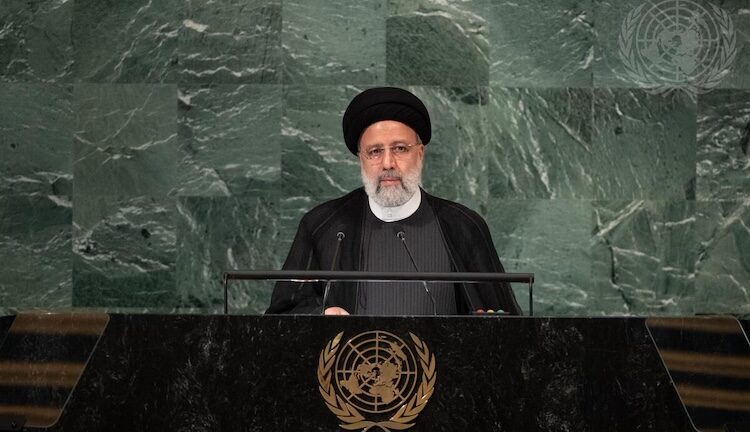
Iranian President Masoud Pezeshkian told the General Assembly on 23 September that his country would not submit to pressure. His address followed President Donald Trump’s warning that Iran could face annihilation if an agreement were not reached.
Language of this kind makes diplomacy harder. It creates expectations of victory or surrender when negotiations usually require compromise. Leaders who have promised never to yield may find even a limited concession politically dangerous.
The conflict now extends well beyond the original dispute over Iran’s nuclear programme. It includes attacks on shipping, restrictions on Iranian ports, sanctions, military action and competing demands concerning the Strait of Hormuz.
The strait carried about one fifth of internationally traded oil and liquefied natural gas before the war disrupted traffic. An interruption there quickly affects energy prices, shipping costs and inflation around the world. Countries not involved in the confrontation face the economic consequences.
Iran has sought an end to the war, relief from the American naval blockade and the release of frozen assets. Washington continues to insist that Tehran must never possess a nuclear weapon and has retained military force as an option.
The nuclear issue cannot be separated from the fighting. International inspectors have been unable to fully establish what happened to Iran’s enriched-uranium stockpile after attacks on nuclear facilities. The lack of verified information encourages each side to assume the worst.
Iran says it does not intend to build nuclear weapons. Its critics point to uranium enriched close to weapons-grade level and argue that Tehran has acquired much of the knowledge needed to produce a bomb if it chooses to do so. Bombing can destroy equipment and buildings. It cannot erase scientific knowledge.
This is why the International Atomic Energy Agency remains indispensable. Without inspectors, governments will rely on satellite pictures, intelligence reports and political claims that others may not trust. Suspicion will replace verification.
The Security Council has been unable to provide a united response. Russia and China dispute Western interpretations of the sanctions regime, while the United States and European governments accuse them of shielding Iran. Sanctions may exist on paper without consistent monitoring or enforcement.
The New York contact provides only a narrow escape from this downward course. The first negotiations need not settle every dispute. They should concentrate on preventing an accidental expansion of the war and identifying the minimum conditions required for a durable ceasefire.
Interim arrangements could protect commercial shipping, allow humanitarian supplies to reach Iranian ports and restore access for nuclear inspectors. The parties could notify one another of military activities near sensitive installations. Frozen assets might be released in stages in return for verifiable nuclear restrictions.
Qatar and other mediators remain necessary because direct talks are not yet politically possible. The General Assembly cannot negotiate on behalf of Iran or the United States. Its value lies in bringing them into the same diplomatic space when almost every other channel has closed.
Source note: This analysis draws on official statements and Reuters reporting from New York on 23 September 2026. (IDN-InDepthNews)