
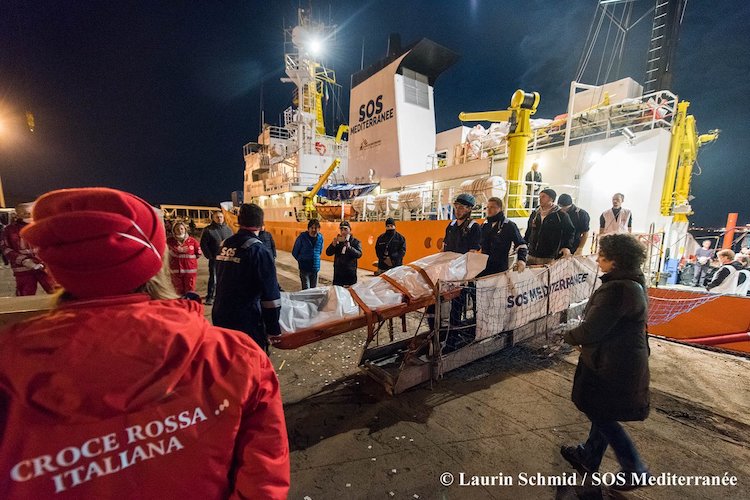
By Klara Smits BRUSSELS (IDN) – After his visit to Austria, Libya’s foreign minister Mohammed Sayala told the Kuwaiti News Agency on January 31 that Libya’s southern borders have now become Europe’s borders. Illegal migration could not be stopped at the Mediterranean Sea, he argued. Therefore, he promised that on the February 20, Libya will […]

Morocco’s Indigenous People Cry For Sustainable Development
By Peter J. Jacques The writer is a Professor of Political Science at the University of Central Florida in Orlando, USA. He recounts what Indigenous Amazigh people told him during field work in the High Atlas Mountains of Morocco. ORLANDO (IDN) – Life and death for whole communities hang in the balance of achieving the […]
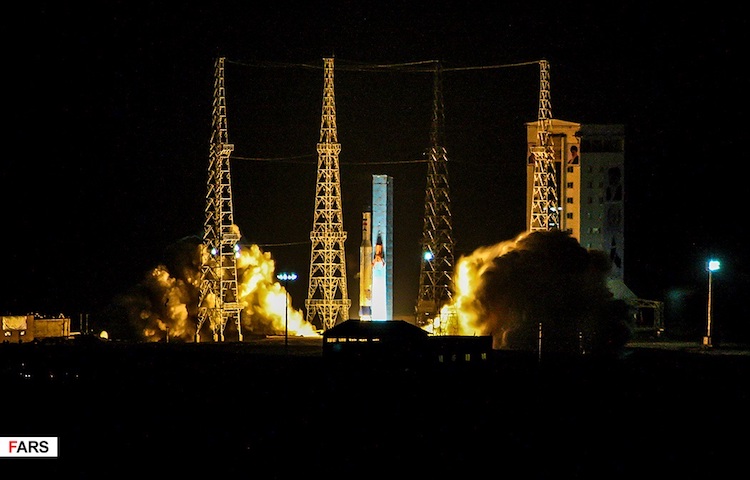
New U.S. Report Focuses On Possible Future Iranian ICBM
By Arms Control Association WASHINGTON, DC (IDN-INPS) – On January 17, the Trump administration unveiled its Missile Defense Review, which outlines the administration’s strategy to counter missile threats, focusing on those posed by “rogue states” defined as Iran and North Korea. The review cites Iranian missile development as a primary challenge, repeatedly referencing the possibility […]
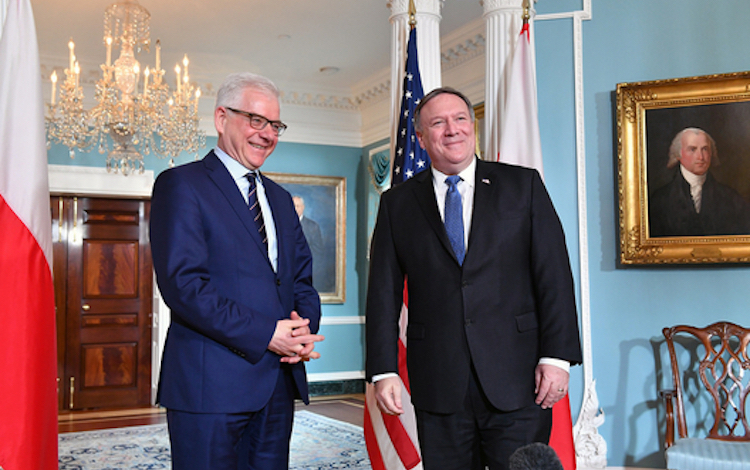
EU, Iran Not Amused By U.S. Middle East Summit In Poland
By Robert Johnson BRUSSELS (IDN) – Nearly four months after the U.S. Department of State released on the eve of the Islamic Revolution’s 40th anniversary a 48-page report ‘Outlaw Regime: A Chronicle of Iran’s Destructive Activities’, Secretary of State Mike Pompeo has made a much frowned upon announcement that an international summit on the security […]
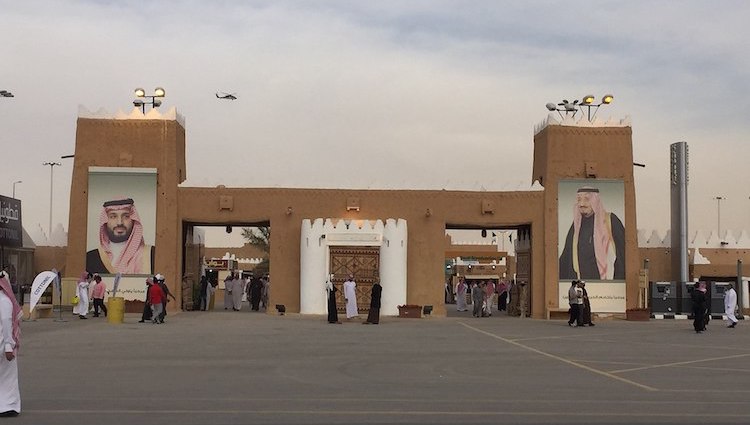
The U.S. Is Apparently At The Mercy Of Saudi Arabia
Viewpoint by Jonathan Power* LUND, Sweden (IDN-INPS) – Crown Prince Mohammed bin Salman remains at large, the unapologetic murderer (according to the CIA) of the respected dissident journalist, Jamal Khashoggi. Even though President Donald Trump came close to accusing him of the deed, he has pulled back, citing Saudi Arabia’s importance as an oil producer […]
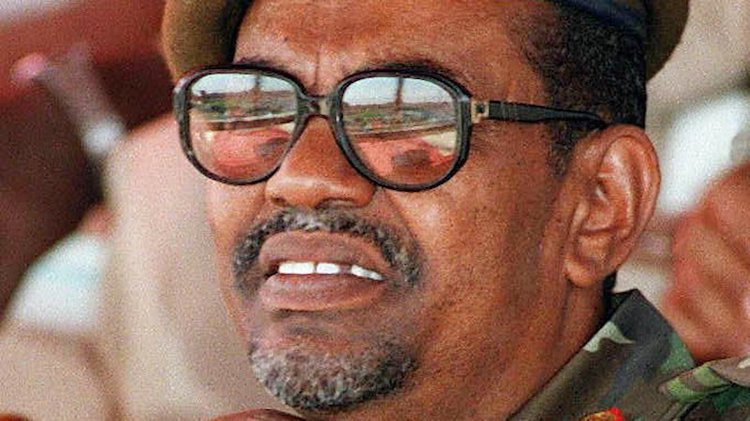
Sudan Leader Faces Calls For Removal As Price Of Bread Spikes
By Lisa Vives, Global Information Network NEW YORK | KHARTOUM (IDN) – In the face of a growing movement of Sudanese opposition, protesting rising costs of bread and other essentials, security forces of the government of President Omar al-Bashir moved forcefully on December 25 to end the demonstrations using tear gas, night sticks and live […]

Israel Welcomes Nauert as Haley’s Successor at the UN
By Bernhard Schell DUBAI (IDN) – Israel has hailed U.S. President Donald Trump’s announcement that he will nominate former Fox news reporter and current State Department spokeswoman Heather Nauert to be the U.S. ambassador and permanent representative to the United Nations headquarters in New York, according to agencies and The Times of Israel. Nauert will […]
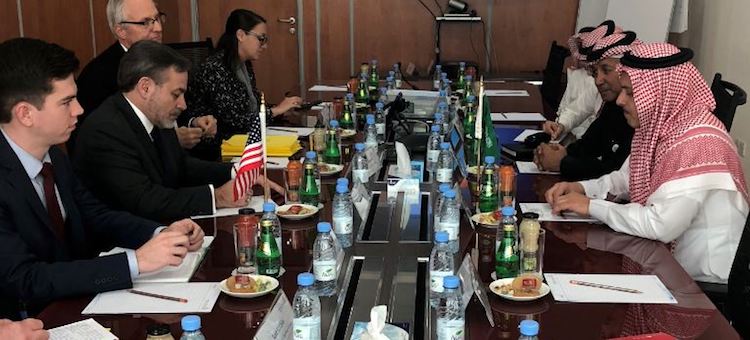
Saudi Arabia’s Long-Term Goal of Going Nuclear – With U.S. Backing
By Shanta Roy NEW YORK (IDN) – The Trump administration’s increasingly cozy relationship with Saudi Arabia has led to widespread speculation that the United States may be assisting the Saudis – directly or indirectly – to achieve their long term goal of acquiring nuclear weapons. The speculation has been triggered by ongoing secret negotiations between […]

Israeli-Palestinian Escalation Ends But Peace Nowhere in Sight
By J Nastranis NEW YORK (IDN) – The Israeli-Palestinian conflict “doesn’t seem to have a solution”, says the renowned conductor and pianist Daniel Barenboim who has been striving to promote peace through the West-Eastern Divan Orchestra, comprising young musicians from Israel and the Arab world. Yet, as a Messenger of Peace, he puts hope in […]

UN Inching Towards Peace Talks on Yemen
By J Nastranis Fourteen million civilians are on the edge of famine in Yemen. Starvation is on the horizon, warns WFP‘s chief David Beasley. What he has seen during a recent visit to the country is “the stuff of nightmares, horror, deprivation and misery”. UN Secretary-General’s Special Envoy Martin Griffiths is therefore at pains to […]