
By Karipbek Kuyukov*
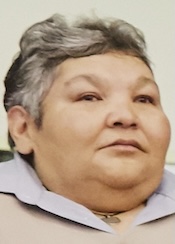
ASTANA | 28 August 2026 (IDN) — I paint with a brush held between my teeth or my toes. I was born without arms in 1968 about 100 kilometres from the Semipalatinsk nuclear test site in eastern Kazakhstan. My parents’ generation watched mushroom clouds rise over the steppe without being told what the explosions could do to their bodies or their children.
For four decades, the Soviet Union conducted more than 450 nuclear tests at Semipalatinsk. The fallout left cancers, disabilities, trauma and contaminated land. Today, when leaders discuss nuclear weapons in the language of “deterrence” and “strategic balance”, I think of families paying for decisions in which they had no voice. The bomb is not an abstraction to me. Its history is written on my body.
August 29 carries two memories. On that date in 1949, the Soviet Union detonated its first atomic device at Semipalatinsk. On the same date in 1991, Kazakhstan closed the test site. At Kazakhstan’s initiative, the United Nations later proclaimed August 29 the International Day against Nuclear Tests. It is not simply a day of commemoration. It warns of the past and the choices being made now.
In 2026, that warning is urgent. The Stockholm International Peace Research Institute estimates that the world began this year with 12,187 nuclear warheads. All nine nuclear-armed states continued strengthening their arsenals last year, while up to 2,200 warheads remained on high operational alert. In February, New START, the last treaty limiting the strategic arsenals of the United States and Russia, expired without a successor. In May, the review conference of the Nuclear Non-Proliferation Treaty (NPT) ended without consensus for the third consecutive time.
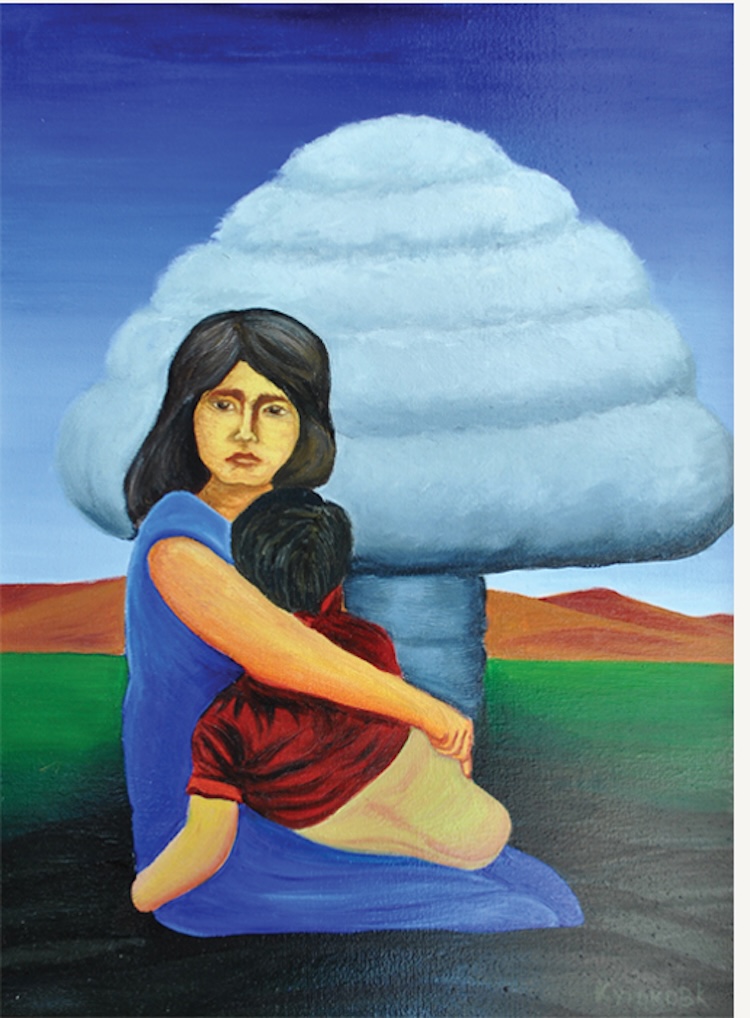
The world is not merely failing to disarm. It is learning to rely on the bomb again. There is growing rhetoric that nuclear weapons are the ultimate guarantor of peace and security. In moments of heightened tension, some states and strategic thinkers argue that only nuclear capability can prevent coercion, deter conflict, or preserve sovereignty. This logic of “nuclear reassurance” is being normalised not only in official doctrine but in public debate, where deterrence is recast as stability and restraint is portrayed as risk. Yet this framing erodes the very foundation of non-proliferation. It suggests that safety flows from possessing the most destructive weapons ever created, rather than from law, diplomacy, and mutual restraint.
A non-proliferation system cannot endure if abstinence is portrayed as vulnerability while possession is equated with safety and status. The NPT rests on a bargain: non-nuclear states agree not to acquire nuclear weapons, while nuclear-weapon states undertake to pursue disarmament. Both sides must keep their word. Rules cannot bind the weak and excuse the powerful.
Kazakhstan chose another logic. When we became independent, 1,410 Soviet strategic nuclear warheads remained on our territory, giving us what was then the world’s fourth-largest nuclear arsenal. We could have treated them as a shortcut to status or a shield against an uncertain future. Instead, a society that knew the price of radiation demanded a different kind of security. We closed Semipalatinsk, relinquished the weapons and joined the NPT as a non-nuclear state. That choice did not erase the damage, but it showed that renunciation can be an act of sovereignty and strength.
Kazakhstan has tried to turn that experience into institutions. We helped establish the Central Asian Nuclear-Weapon-Free Zone, signed and ratified the Comprehensive Nuclear-Test-Ban Treaty, joined the Treaty on the Prohibition of Nuclear Weapons, and host the IAEA Low Enriched Uranium Bank.
Our message is not “no” to nuclear science. Peaceful nuclear energy, subject to rigorous safeguards, can serve human development. It is “no” to weapons whose effects no border, hospital or government can control.
The immediate path is clear. The nine remaining states whose ratification is required must bring the test-ban treaty into force. The United States and Russia must negotiate new verifiable limits, and all nuclear-armed states must join the work of reduction. Iran and the United States must restore full IAEA access through an enforceable agreement. More countries should join the prohibition treaty, while nuclear-armed states should engage with it even before they are ready to accede. Nations must also fund healthcare, victim assistance and environmental repair. Disarmament cannot speak only about the future while abandoning those living with the past.
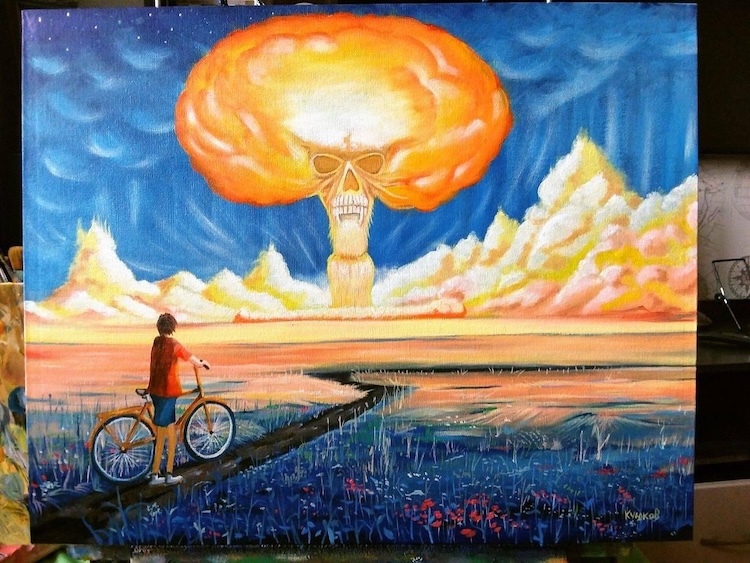
Some will call a world without nuclear weapons naive. I have learned what is truly naive: believing that thousands of warheads can remain ready for use indefinitely without error, miscalculation, rage or technical failure. Deterrence requires every leader to remain rational, every warning system to be accurate and every crisis to stay controlled – forever. Humanity has never met such a standard.
An artist begins with a blank canvas and believes another reality can be created. I paint the future I want to see: clean land, an unthreatened sky and children born without the burden my generation inherited.
I want to be among the last people whose bodies carry the legacy of the nuclear age. Whether I am depends on decisions that are still within our reach. Kazakhstan turned away from the bomb. The world can do so too.
*Karipbek Kuyukov is a Kazakh artist and nuclear non-proliferation activist born without arms as a result of exposure to radiation from nuclear weapons testing at Semipalatinsk. Kuyukov is a global advocate for worldwide nuclear disarmament. [IDN-InDepthNews]