
Situation in Sudan (per 30 March) The Rapid Support Forces (RSF) and their allies in the Sudan People’s Liberation Movement–North (SPLM-N) shelled residential areas in Dilling city, South Kordofan, for several hours, resulting in at least 14 deaths, including children, and at least 23 wounded. The Sudanese Armed Forces (SAF) claim to have repelled an […]
Situation Report: Attack on El-Daein Teaching Hospital kills 64
Situation in Sudan (per 23 March) An attack on the El-Daein Teaching Hospital killed at least 64 people on Friday, including children and medical staff, and wounded at least 89 others according to the World Health Organization (WHO). A total of 141 reported incidents of conflict related violence affected health care in Sudan during 2025, […]
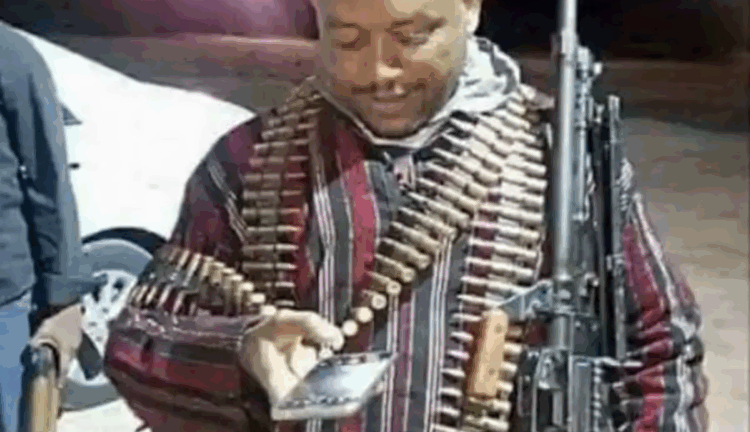
Situation Report Special: Court hears testimonies of brutal sexual abuse and punishment under Walid; “You are not the first who begged me to stop”
The summary of Day 1 & Day 2 of the hearing can be accessed on EEPA website. Walid hearing: Summary of Day 3 (per 5 November 2025) Day 3 of the court hearing in the case of alleged human trafficker Tewelde Goitom “Walid” has brought more witness testimonies read out by the presiding judge. As […]
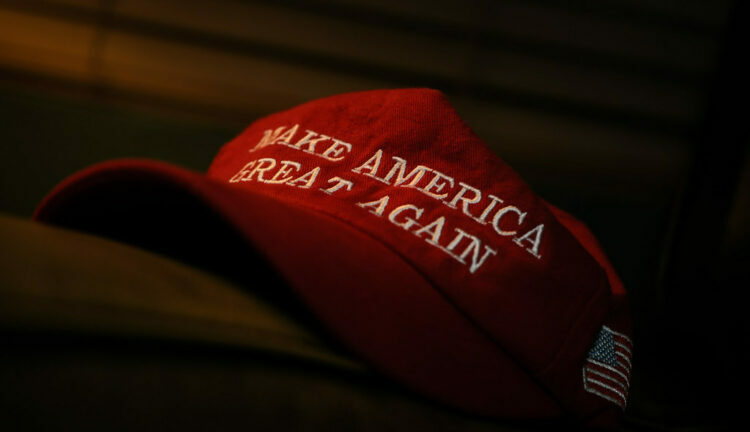
It Is Time For Asia’s MAGA – A Non-Military Quad Alliance
By Kalinga Seneviratne* BANGKOK | 29 April 2025 (IDN) — The current international tariff saga based on a notion of “Make America Great Again” (MAGA) ideology promoted by President Donald Trump and supported by millions of Americans should, one would hope, trigger Asia’s own MAGA (Make Asia Great Again). The latter is shaping up more the […]
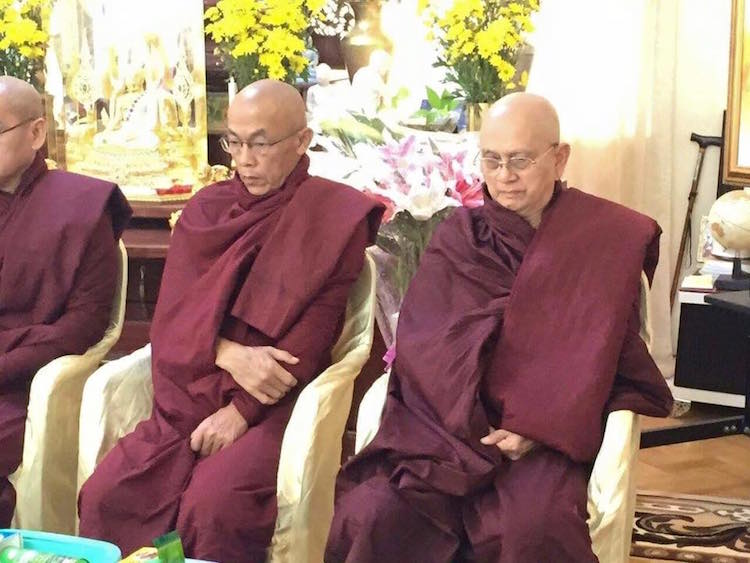
Myanmar’s General Thein Sein Becomes a Monk
By Special Arrangement with The Buddhist Channel*
YANGON – Myanmar’s retired junta General Thein Sein has become a monk. He has been ordained as U Thandi Dhamma. According to reliable sources, it was the well known Dhamma teacher Dr. Ashin Nyanissara or better known as Sitagu Sayadaw who implored him to take up monkhood.
Thein Sein is widely regarded as the junta head who opened up Myanmar. After taking over from military dictator Senior General Than Shwe in 2011, he was expected to carry on as an opaque and isolationist ruler, much like his feared predecessor. After all, in 1998 he was personally named by the United Nations Special Rapporteur on human rights in Myanmar for directly ordering his soldiers to commit human rights abuses.
Records have indicated that his history in brutality was no less than previous junta heads, such as Ne Win and Than Shwe.
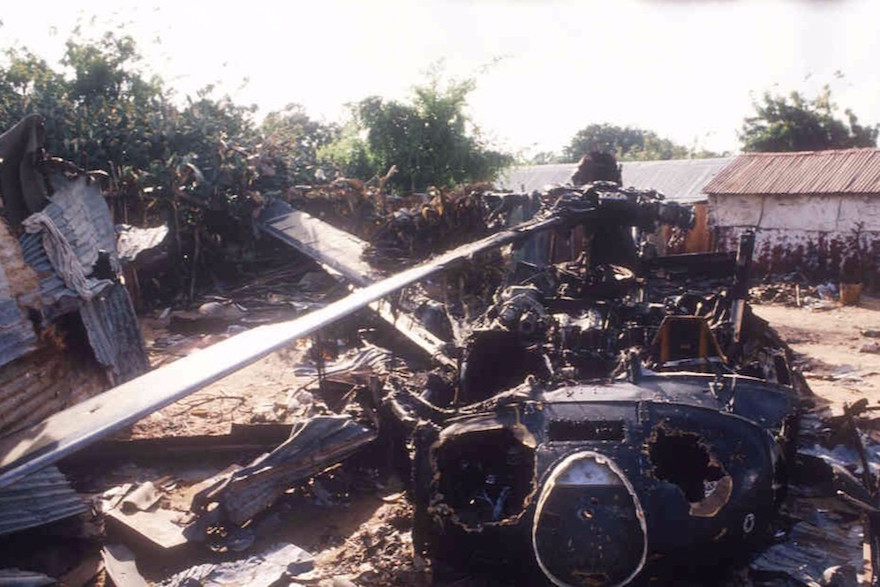
Boutros Boutros-Ghali: A Different Perspective
The Egyptian’s time as Secretary General was marked by a casual indifference to genocide.
By Pádraig Belton*
Scion of a distinguished Coptic family, grandson of an assassinated Egyptian prime minister, a Fulbright scholar with a doctorate from the Sorbonne — there’s no doubt you’d have done well to have Boutros-Ghali sat beside you at a dinner party.
He took office as Secretary General of the UN on the first day of 1992. The Soviet Union had dissolved on 25 December 1991.
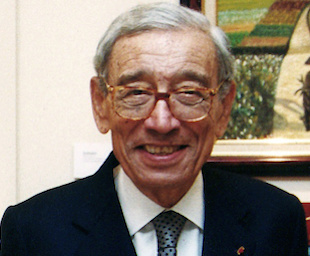
In Memoriam: UN Chief Boutros Boutros-Ghali Whose 2nd Term was Blocked by the U.S.
Boutros Boutros-Ghali, who passed away on February 16 at the age of 93, was the only UN Secretary-General (1992-1996) to be denied a second term in office because of a US veto in the 15-member Security Council.
The U.S., which preaches the concept of majority rule to the outside world, exercised its veto even though Boutros-Ghali had 14 of the 15 votes in the Security Council, including the votes of the other four permanent members of the Council, namely the UK, France, Russia and China.
WHO in Decline
By Arif Azad*
The international health landscape is transforming at a dizzying speed, leading to the recalibration of power among different actors. Nowhere is this more apparent than in the changing role of the World Health Organisation.
In 1948, WHO was formed to coordinate and direct international health work. The goal was to achieve the highest possible level of health. The formalisation of WHO’s role rose out of long-standing efforts to coordinate international health which began with the convening of regular international sanitary conferences in the mid-19th century. This practice was to lead to the first known international treaty on cholera which expanded to cover plague and yellow fever.
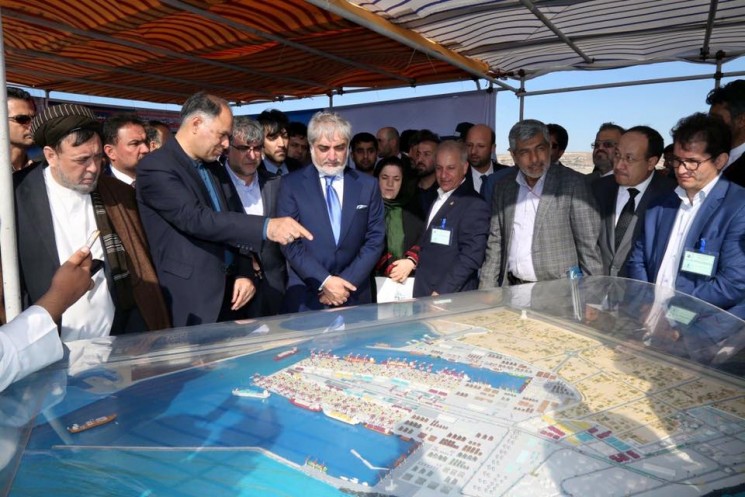
Iran’s Chabahar Port – New Gateway for India and Afghanistan
TEHRAN – “Mistreatment of Afghan businesspeople by Pakistanis has made them complain.” This story has been covered by Afghan media time and time again, but they have no choice. Afghanistan is a landlocked country with no access to free waters and Karachi port in Pakistan is the sole route for Afghans through which they can engage in trade with the rest of the world.
Therefore, Afghan officials have reached the conclusion that in cooperation with India, they must go for Iran’s south-eastern Chabahar port, which can offer a good substitute for Karachi port. This issue was one of the main reasons behind a three-day trip to Iran early January by Afghanistan’s chief executive officer, Abdullah Abdullah.
‘Iranophobia’ Gives Way to a New Era for Iran’s Soft Power
By Mahmoud Reza Golshanpazhooh*
TEHRAN – Finally, after about two years of negotiations and talks, the nuclear marathon between Iran and six big powers of the world reached its finishing point with the announcement of the Implementation Day of the Joint Comprehensive Plan of Action (JCPOA), and official announcement of the lifting of the European Union’s sanctions along with an important part of U.S. sanctions against Iran.
Of course, any smart analyst and politician knows that this good ending is also a beginning for foreign obstructionist efforts, domestic conflicts, doubts on the part of trade partners about the volume and extent to which economic relations should be developed as well as magnification of any weakness by governments and media that were opposed to this process from the very beginning.