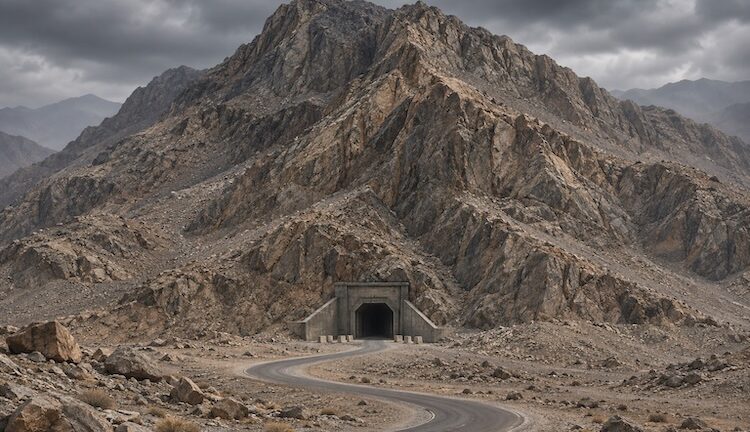
Talk of a nuclear strike on Iran’s “Pickaxe Mountain” has no official basis. But if the idea resurfaces, the US National Academies settled the central question two decades ago: an earth-penetrating nuclear weapon cannot contain its effects. By Tariq Rauf* VIENNA | 9 November 2026 (IDN) — In recent days, parts of the US and […]
OPINION: Iran: Compromise or Catastrophe
By Alon Ben-Meir* NEW YORK | 5 November 2026 (IDN) — There is no durable military solution to the American-Israeli conflict with Iran. Bombs can destroy installations, but they cannot erase scientific knowledge, extinguish national pride, or create a sustainable political settlement. The choice is not between demonstrating strength and accepting weakness; it is between […]
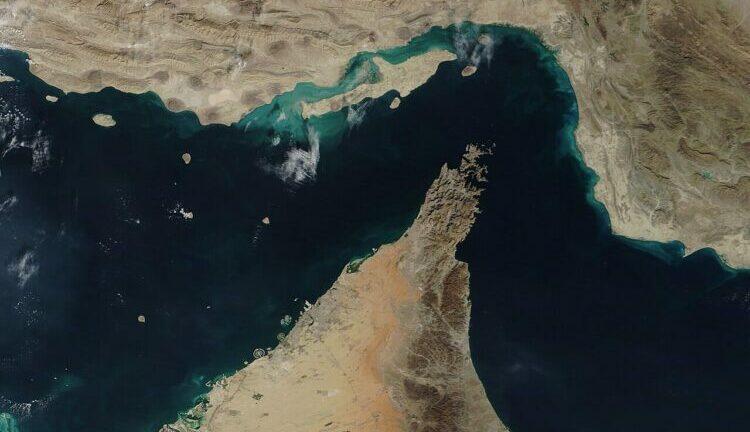
OPINION: How to Stop the US-Israel War on Iran
Arab states must reject Israeli hegemony and build a regional security framework independent of Washington. By Jeffrey D. Sachs and Sybil Fares NEW YORK | 31 October 2026 (IDN) — The war that Israel and the United States launched against Iran on 28 February is in a lull, not at an end. Major combat has paused, […]

Iran Crisis Exposes the Impotence of America’s Neoliberal War Machine
By Nicolas J. S. Davies* NEW YORK | 20 February 2026 (IDN) — After some delays, the United States is dispatching a second aircraft carrier, the USS Gerald R. Ford, from the Caribbean to the Middle East to join the USS Abraham Lincoln carrier strike group and threaten Iran. This is the third Atlantic crossing […]
What Iranian Elections Mean for the Middle East
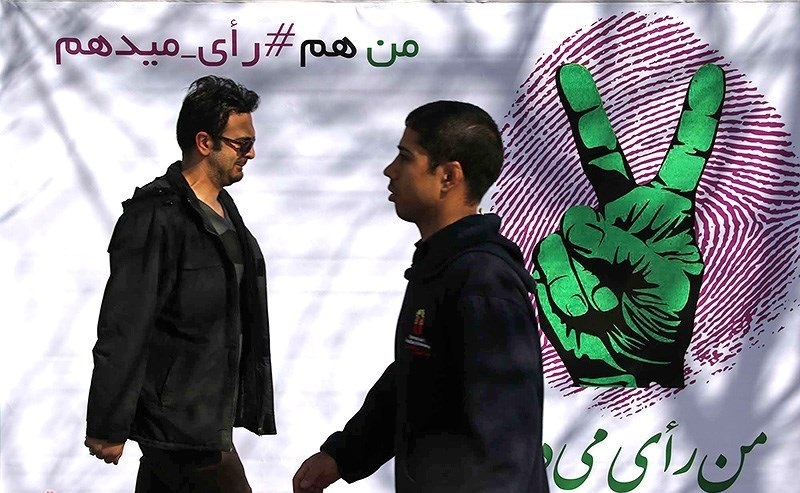
TORONTO (INPS) – What are the messages Iranians signalled by their robust election campaign and high turn out? Western nay-sayers say it shows discontent. But perhaps with a touch of envy, at a time when western politics is rife with discontent and yet elicits at best a yawn, or at worse, looks more like a circus. The Islamic revolution has had bad press in the West from the start, but the results show a level of freedom that contrasts favourably with the West, and puts paid to the mantra that the 2009 elections were stolen by the bad guys.
‘Iranophobia’ Gives Way to a New Era for Iran’s Soft Power
By Mahmoud Reza Golshanpazhooh*
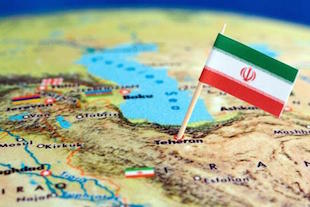
TEHRAN – Finally, after about two years of negotiations and talks, the nuclear marathon between Iran and six big powers of the world reached its finishing point with the announcement of the Implementation Day of the Joint Comprehensive Plan of Action (JCPOA), and official announcement of the lifting of the European Union’s sanctions along with an important part of U.S. sanctions against Iran.
Of course, any smart analyst and politician knows that this good ending is also a beginning for foreign obstructionist efforts, domestic conflicts, doubts on the part of trade partners about the volume and extent to which economic relations should be developed as well as magnification of any weakness by governments and media that were opposed to this process from the very beginning.

Security Council Joins the U.S. and EU in Removing Sanctions Against Iran
NEW YORK | VIENNA (IDN) – While the United Nations Secretary-General Ban Ki-moon welcomed the lifting of sanctions on Iran, the Security Council announced on January 17 that it has removed Iranian Bank Sepah and its international subsidiary from a sanctions list.
The initiative followed the announcement previous day of a UN report confirming that Iran has completed necessary preparatory steps to start the implementation of a plan of action aiming to resolve the nuclear issue.
A Turning Point in the Iran File: Implementation Day
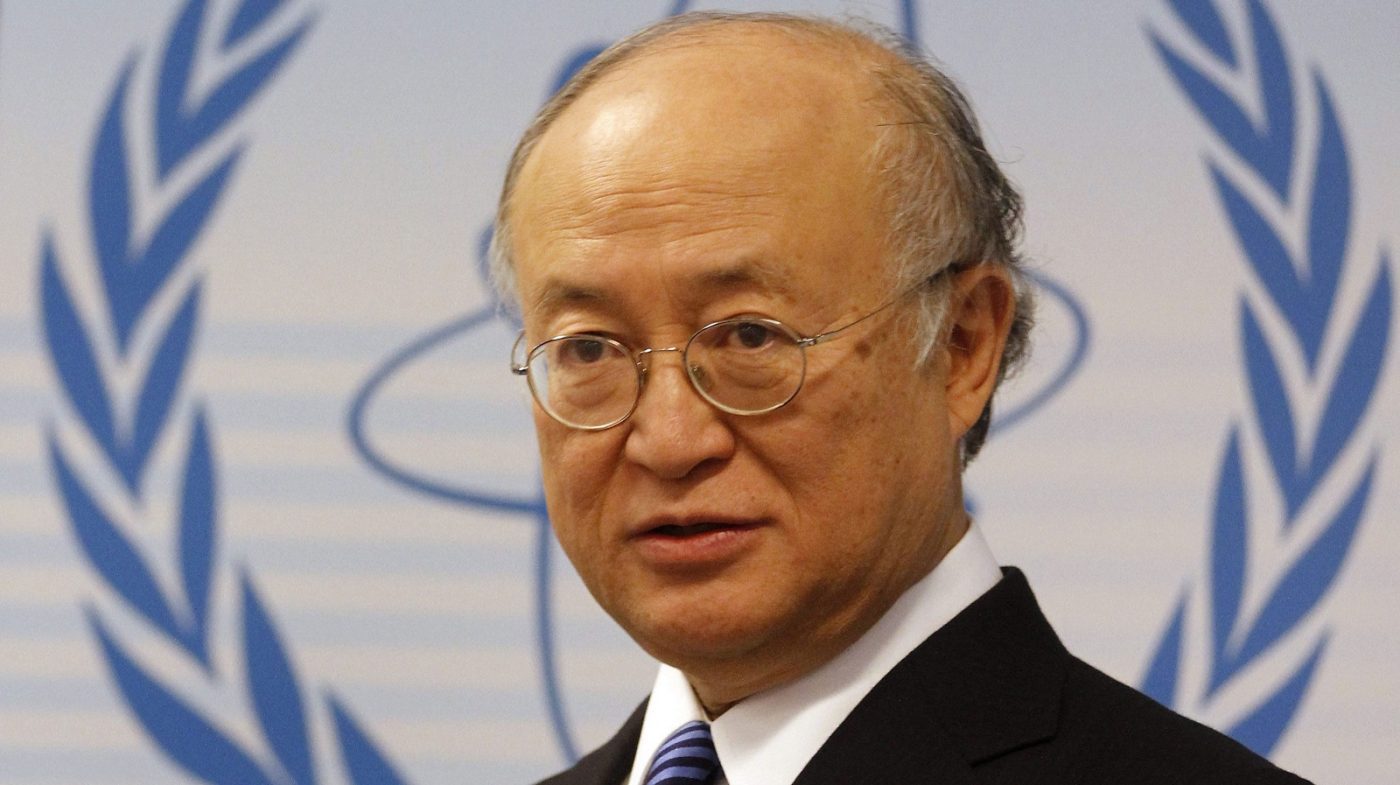
On January 16, the International Atomic Energy Agency’s (IAEA) Director General Yukiya Amano issued a report to the UN Security Council and the IAEA’s Board of Governors that, with immediate effect, results in the termination of sanctions under all previous resolutions adopted by the Security Council on Iran’s nuclear program.

Multilateral Diplomacy Triumphs as Sanctions Again Iran are Lifted
VIENNA (IDN) – Political will and multilateral diplomacy marked a milestone as U.S. President Barack Obama revoked a 20-year system of sanctions against Iran and Federica Mogherini, the European Union High Representative for Foreign Affairs and a Council member of the Parliamentarians for Nuclear Non-proliferation and Disarmament (PNND), announced the lifting of EU economic blockade against Tehran on January 16.
Saudi Arabia’s ‘Anti-Terrorism Coalition’: An Iranian Perspective
By Hamid-Reza Azizi, Middle East Analyst*
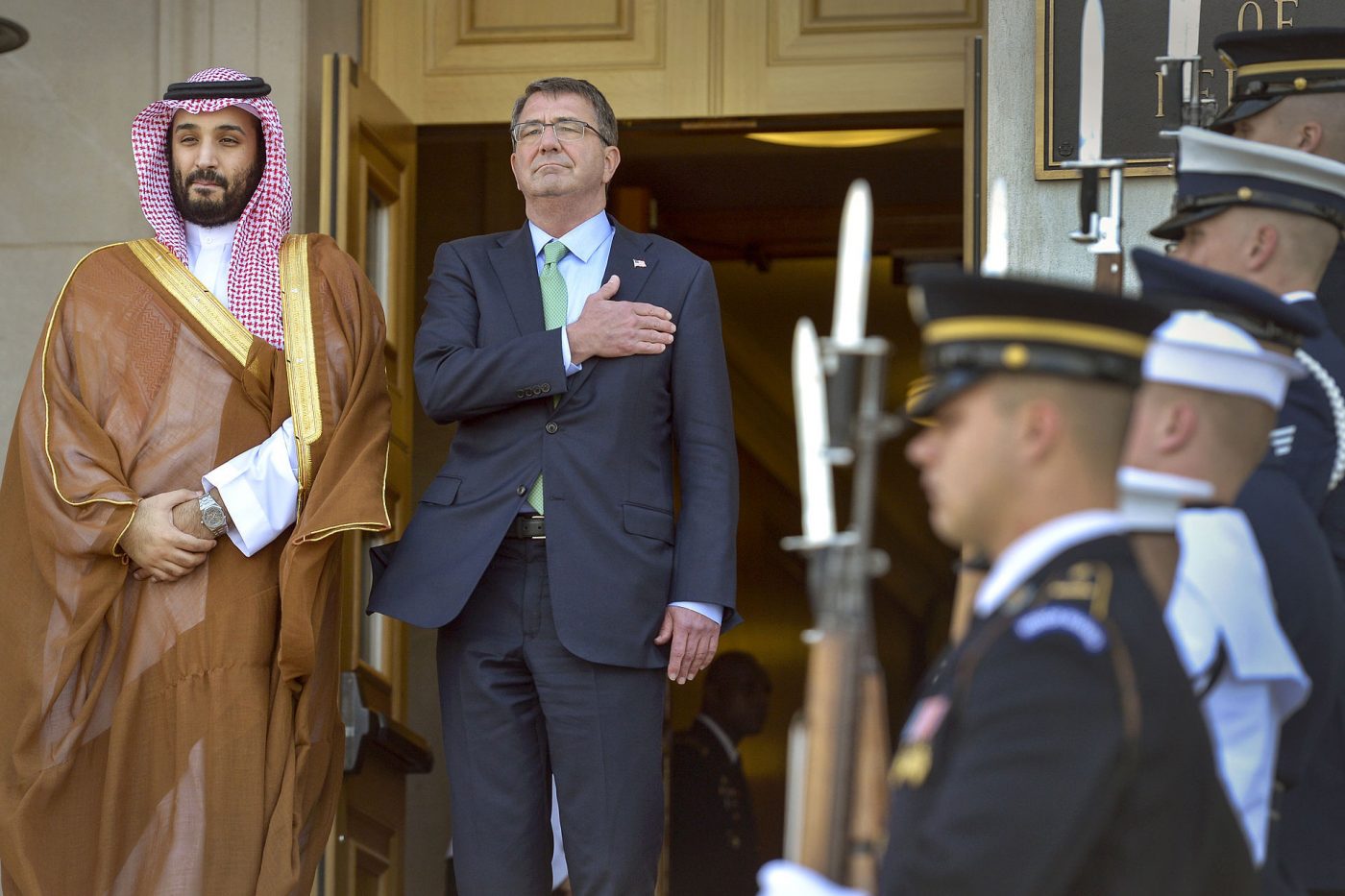
The regional coalition led by Saudi Arabia in its onslaught on Yemen has not been able to achieve its goals after about nine months. However, Saudis have now taken a new step by forming an “anti-terrorism coalition.”Nonetheless, the makeup of this coalition and the time it has been proposed have raised serious questions about the goals and intentions of Saudi Arabia. In an analytic approach, a set of political and military considerations can be seen as underlying the formation of this coalition.