

By J W Jackie RENO, Nevada, USA (IDN) – By next year, stress-related mental health conditions will be prevalent across the globe and will be second only to ischemic heart disease in scope of disability, as reported by the World Health Organization. In part, the problem has to do with work. A survey by business […]
More Than $10 Million Raised at Diwali Gala for Medical Equipment, Patient Care Spaces and Research
By Sahana Rangnekar TORONTO (IDN) – For the 18th year, Trillium Health Partners (THP)’s annual Diwali gala filled with fusion food, dancing and entertainment by Bollywood singing sensation Kanika Kapoor was celebrated in Mississauga, a suburb of Toronto in the Canadian province of Ontario, on October 18, 2019 to raise funds for combating cancer. The […]

Ayurveda Could Provide Affordable ‘Health for All’
Viewpoint by Manish Uprety* NEW DELHI (IDN) – The quest for a healthy life has been an eternal one. In 1978 Alma-Ata Declaration expressed the need for urgent action by all governments, health and development workers, and the world community to protect and promote the health of all people. The World Health Organization (WHO) launched […]
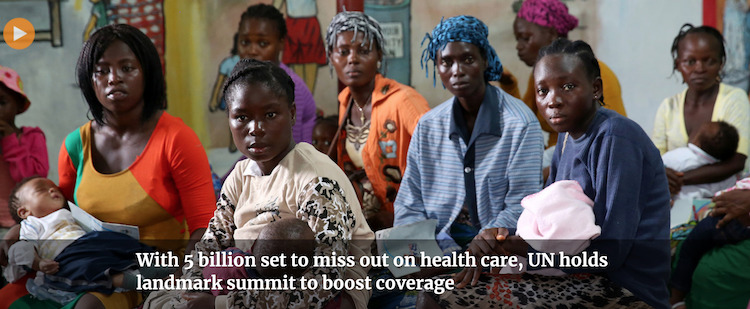
Up to 5 Billion People Could Miss Out on Health Care in 2030
By Santo D. Banerjee NEW YORK (IDN) – Time is running out for countries to achieve the global goal of Universal Health Coverage (UHC). A new report warns that if current trends continue, up to 5 billion people will still be unable to access health care in 2030 – the deadline world leaders have set […]
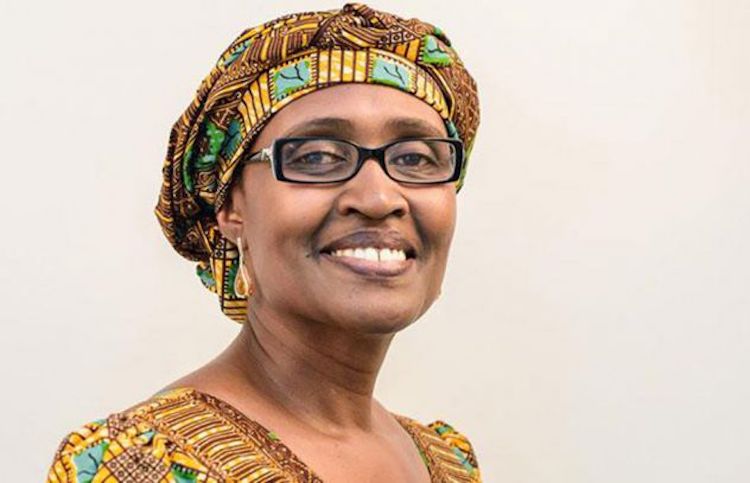
New UNAIDS Chief Winnie Byanyima Has an Ambitious Target
By Jaya Ramachandran GENEVA (IDN) – “The end of AIDS as a public health threat by 2030 is a goal that is within the world’s reach, but I do not underestimate the scale of the challenge ahead,” says Winnie Byanyima, the new Executive Director of UNAIDS. Working with all UNAIDS partners, she will continue to […]
WHO Forum on Medicines Calls for Fair Prices
By Ronald Joshua JOHANNESBURG (IDN) – Ensuring healthy lives and promoting the well-being at all ages is essential to sustainable development, according to the Sustainable Development Goals (SDGs) scheduled to be realized by 2030. Goal 3 cannot however be achieved as long as people have to pay for medicines out-of-pocket and fall into poverty. This […]
WHO Determined to Prevent Noncommunicable Diseases
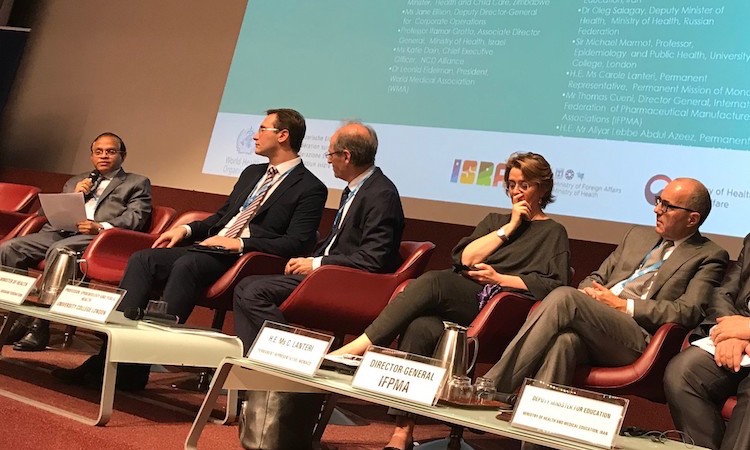
Sri Lanka Co-Chaired Meeting Focuses on Diseases Killing the Poor By Jamshed Baruah GENEVA (IDN) – Noncommunicable diseases (NCDs) pose a serious global development challenge. As the year three of the implementation of the 2030 Agenda for Sustainable Development and 17 Sustainable Development Goals (SDGs) comes to a close, evidence shows that the international community […]

AIDS 2018 Conference Trying To Break Barriers, Build Bridges
By Lisa Vives, Global Information Network NEW YORK | AMSTERDAM (IDN) – The International Conference on AIDS (AIDS 2018) – the largest gathering on any global health issue in the world – opened in Amsterdam, the Netherlands, on July 23 under the title Breaking Barriers, Building Bridges. With hundreds of scheduled talks and roundtables, the […]

Unrestricted Economic Welfare Menaces Human Well Being
By Rita Joshi BERLIN (IDN) – The Sustainable Development Goals and the Paris climate agreement set the target of prosperous development for people and our planet. Yet, it remains challenging to translate these aims into concrete policy implementations without risking human welfare and the Earth ecosystem. A new climate study argues that optimizing economic welfare […]
The Global Fund To Fight AIDS Asked to Change Criteria Discriminating Poor Countries
By J C Suresh TORONTO (IDN) – As this year’s World AIDS Day campaign – My Health, My Right – kicks into high gear, the AIDS Healthcare Foundation (AHF) has called on The Global Fund to Fight AIDS, Tuberculosis and Malaria to end the use of Gross National Income (GNI) per capita as part of […]